The Fucha Culture Industry Institute of Xianyang Polytechnic Institute (XYPI) showcased traditional tea culture, vocational education achievements and innovative product development at the opening ceremony of China's National Vocational Education Lecture Series and the 2026 Shaanxi Vocational Education Week and Lifelong Learning Week.
The event was held at the Western AI Innovation Port in Xianyang and was organized by China's Ministry of Education, with support from the Vocational Education Development Center of the Ministry of Education, the Shaanxi Provincial Department of Education and the Xianyang Municipal Education Bureau.
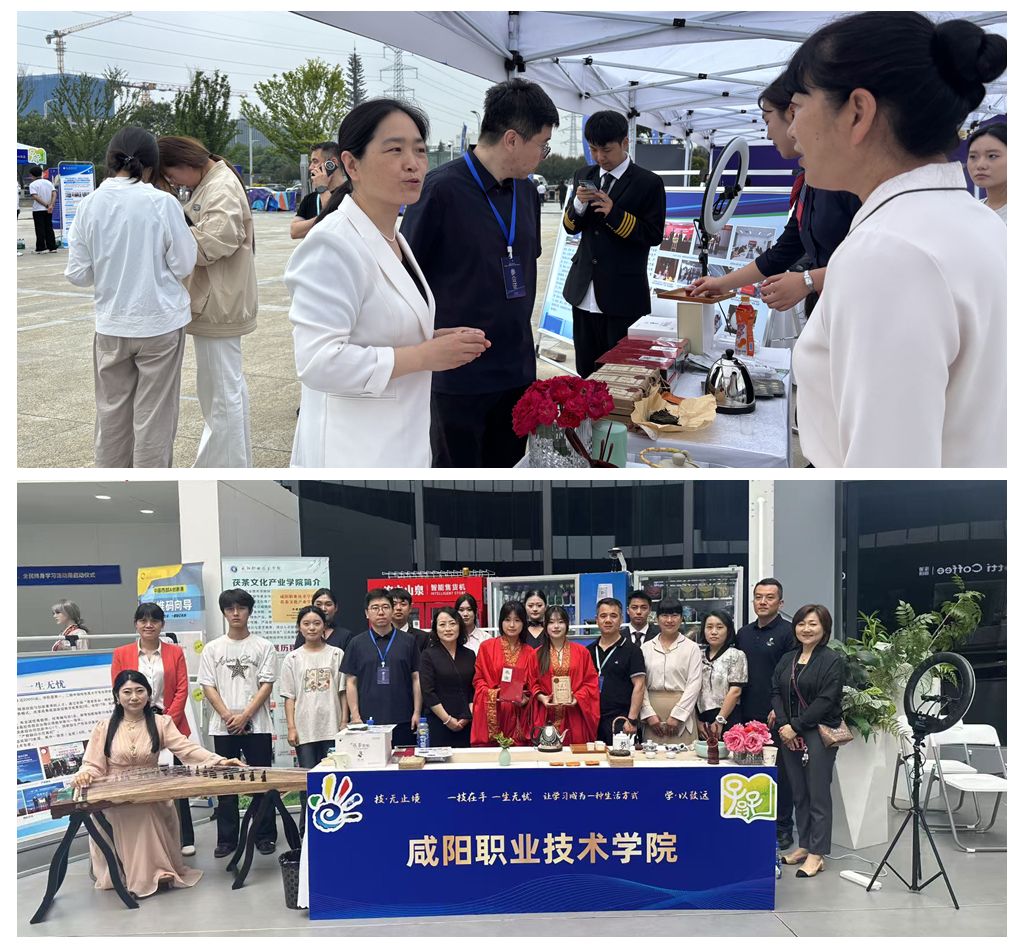
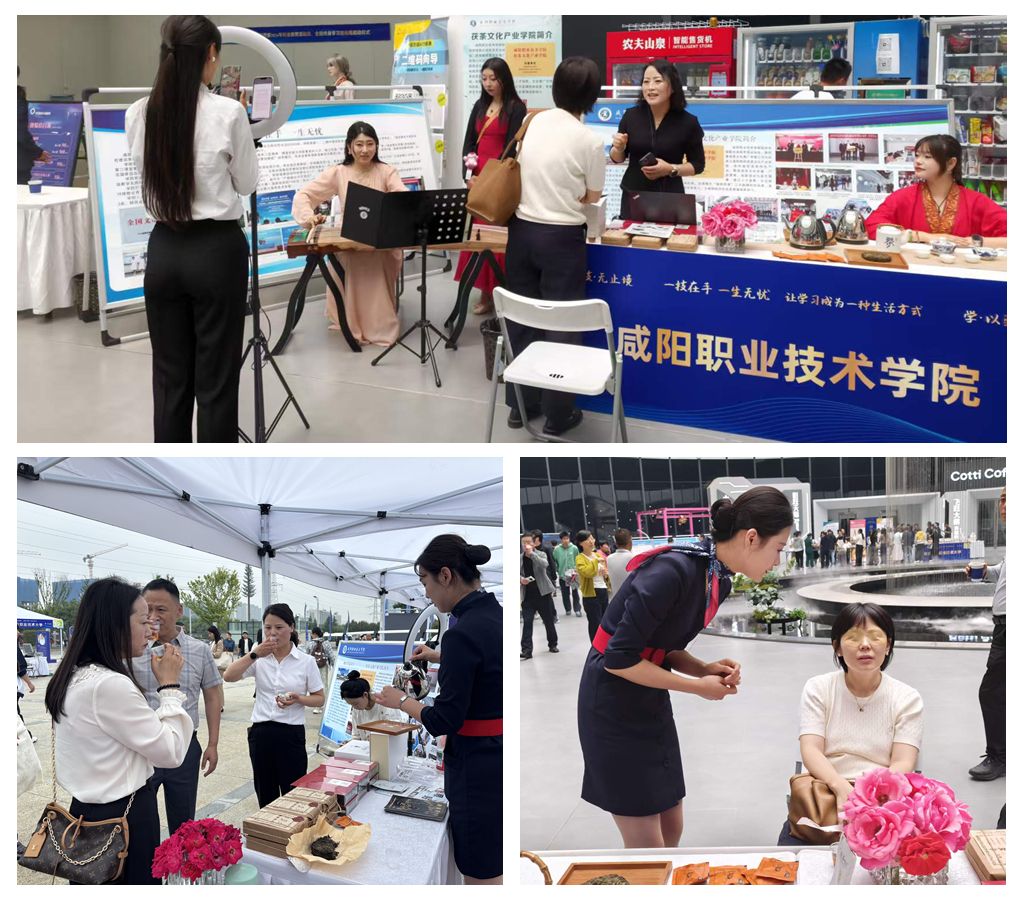
As an invited exhibitor, XYPI presented a comprehensive display centered on Fucha Culture, featuring traditional tea ceremony performances, cultural interpretation, tea-tasting experiences and innovation showcases. The exhibition highlighted the institute's efforts to integrate vocational education with regional industrial development while promoting the preservation and revitalization of local cultural heritage.
One of the exhibition's highlights was a live Fuzhuan Tea Ceremony performed by students from the Fucha Culture Industry Institute. Dressed in traditional tea attire and accompanied by the melodies of classical Chinese guzheng music, the students demonstrated the complete tea-making process, from warming tea ware and preparing tea leaves to brewing and serving the beverage. The performance attracted the attention of educators, students and guests attending the event.
At the Fuzhuan Tea Tasting area, faculty members and students introduced visitors to the history and cultural significance of Fuzhuan tea, a fermented dark tea traditionally produced in northwestern China. Guests learned about its distinctive production techniques, centuries-old heritage and role in regional trade and cultural exchange while sampling locally produced tea from Xianyang.
Wu Xujin, Vice President of Xianyang Polytechnic Institute, visited the exhibition and participated in the tasting session, expressing appreciation for the quality and distinctive character of the products on display.
In addition to cultural demonstrations, the institute also presented an innovative wellness product developed through applied research. The product, a Fuzhuan tea-infused eye mask, utilizes extracts derived from Fuzhuan tea and is designed to help relieve visual fatigue. A dedicated experience area allowed visitors to test the product and explore how traditional tea resources can be transformed into modern health and wellness applications.
The exhibition reflected broader efforts by vocational education institutions in China to strengthen connections between education, industry and local economic development. Through its Fucha Culture Industry Institute, XYPI has established a platform that combines talent cultivation, cultural preservation, technological innovation and industry collaboration around one of Xianyang's most distinctive cultural and agricultural resources.
According to institute representatives, the program provides students with opportunities to develop practical professional skills while contributing to cultural promotion and industrial innovation. By integrating classroom learning with real-world industry practices, the institute aims to prepare graduates for emerging opportunities in cultural industries, agricultural product development, tourism and related sectors.
Vocational Education Week is held annually across China to showcase the achievements of vocational and technical education institutions, promote lifelong learning and strengthen public awareness of skills-based education. Activities typically include technology exhibitions, industry showcases, student competitions and examples of collaboration between educational institutions and enterprises.
As vocational education continues to play an increasingly important role in China's workforce development strategy, Xianyang Polytechnic Institute is exploring ways to connect traditional cultural resources with innovation-driven development. Through initiatives centered on Fucha Culture and the Fuzhuan tea industry, the institute seeks to support regional economic growth while preserving and promoting an important element of local heritage for future generations.